Engineering
How our apps are built and run: the tools we pick, why we build for the web first, and how one codebase reaches every screen.
How do we build one app for web, iPhone and Android?
Every app starts as a web app. OwnSites, ProfVault, Wanderply and Homeroom are built on Ruby on Rails with Hotwire, which sends ready-made pages to the browser and updates them as you use them. Anyone with a link can try a new screen, and a fix ships the same day a problem is found.
When an app belongs on a phone, we wrap those same screens in thin native shells built with Hotwire Native, in Swift for iPhone and Kotlin for Android. The shell adds what only a native app can do, such as push notifications and a home-screen icon, and a changed screen usually reaches every device without an app-store update. It also means one set of screens to test and one place to fix a bug, whichever device someone is using.
When do we use something different?
When the job is different. ProfVault also ships browser extensions for Chrome, Firefox and Safari, because it fills in forms on other websites. Brandreel renders video, so it is built with Next.js and Remotion, which describe each frame of a film in code.
The posts below go into more detail on how this works in our own apps.
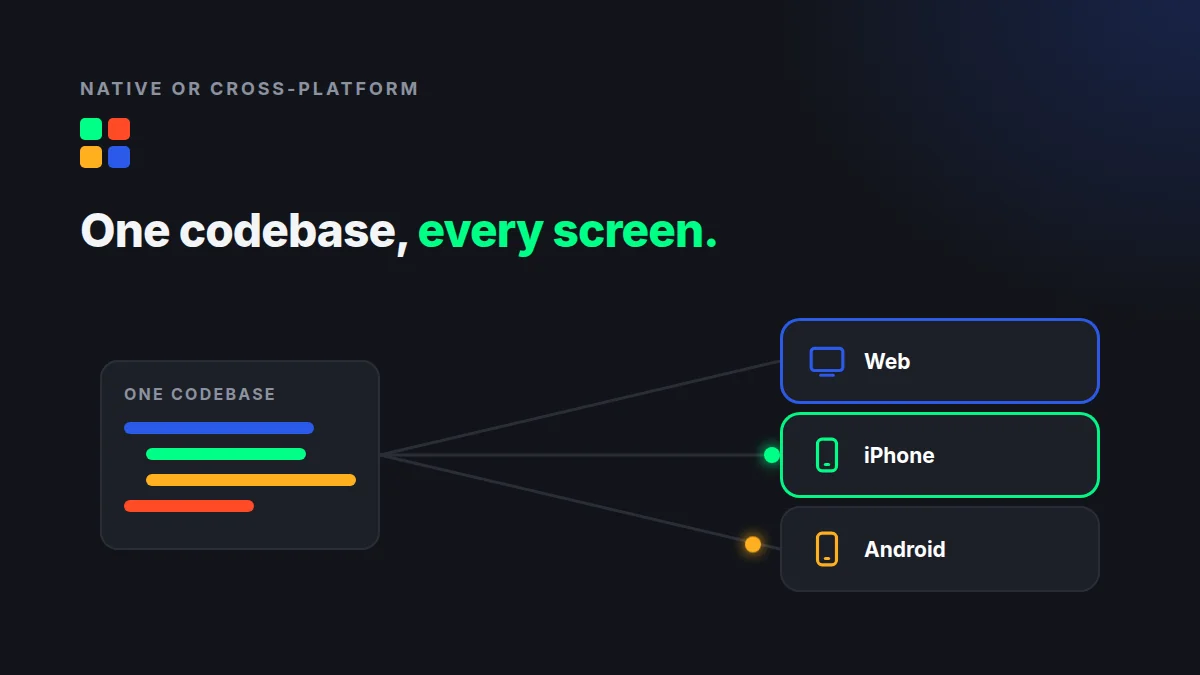
Native vs cross-platform apps: how to choose
Native, cross-platform, web app or a hybrid shell? What each approach costs you in time and money, when each fits, and how to choose for your first...

Why we redesign our apps in rounds, not all at once
Brandreel's new Daylight Print look shipped in ten rounds, and Shop the Reel got thirty changes in three batches. Here is how we redesign one round...
Five lessons from running our own platform in production
OwnSites is the platform our customers' websites run on. It builds the sites, hosts them on their own domains and handles their forms, bookings and...
Speed matters: we measured our live sites, and here are the scores
We ran Google Lighthouse on six live sites we built, on mobile and desktop. The real scores, and what we fixed on our own two sites.
Security by design: how we protect the data in our apps
Every app we build stores something that matters to someone: a customer's contact details, a patient's intake form, a business's login to another...
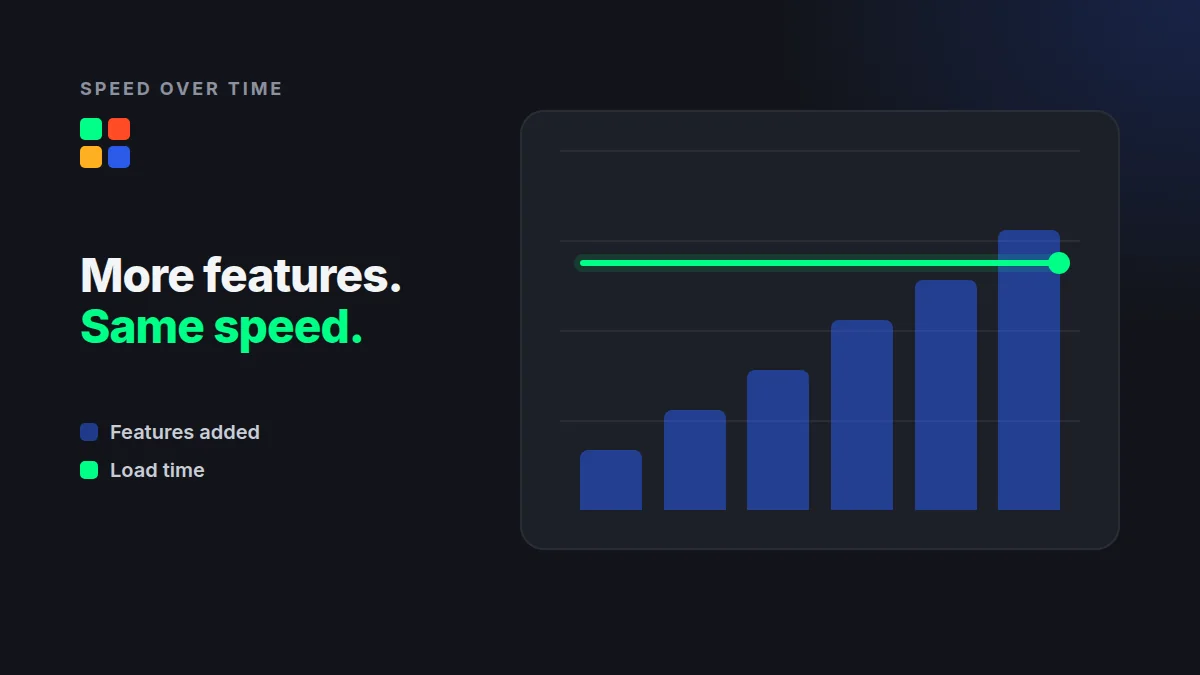
How we keep apps fast as they grow
Discover the performance optimization techniques MashData uses to build fast, responsive apps across web, iOS, and Android platforms.
Why apps drain batteries, and how we stop it
Cross-platform performance optimization strategies for web, iOS, and Android apps that stop draining user batteries and boost retention.
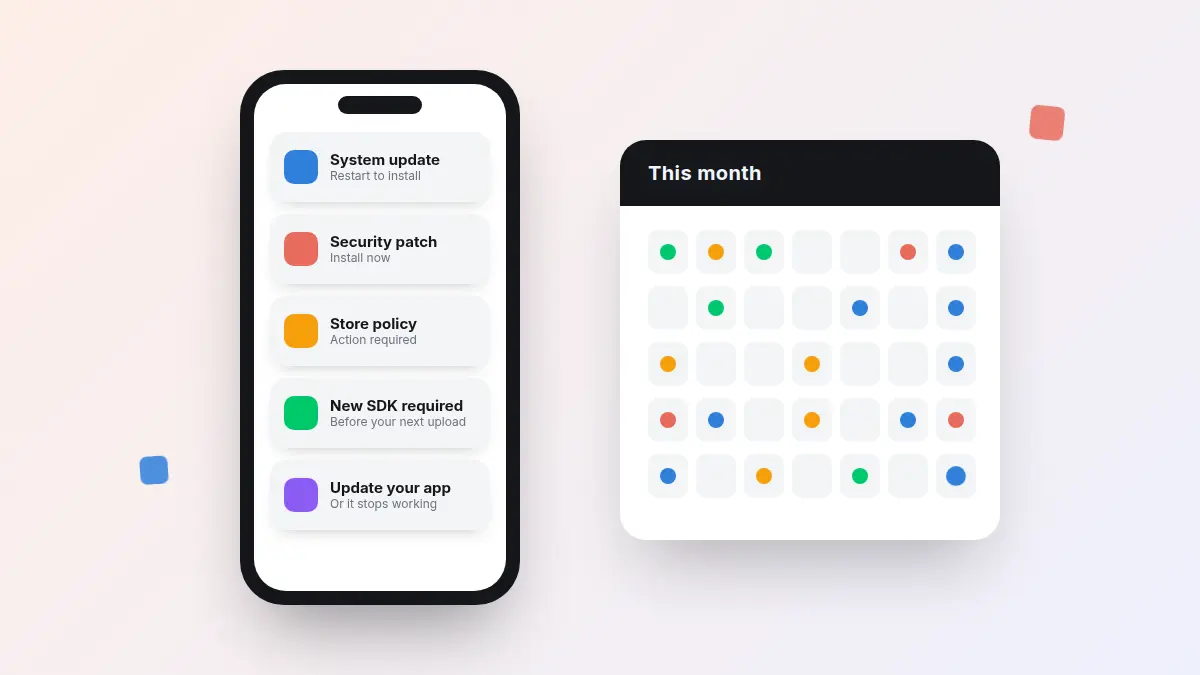
Weekly updates and new store rules: why apps never sit still
There was a time when you could launch an app and leave it alone for a while. That time is over. Today an app that nobody touches starts to break,...
The Hidden Costs of Choosing the Wrong Tech Stack for Your App
The wrong tech stack quietly drains budgets and slows launches. See the hidden costs and how to choose wisely before you build.
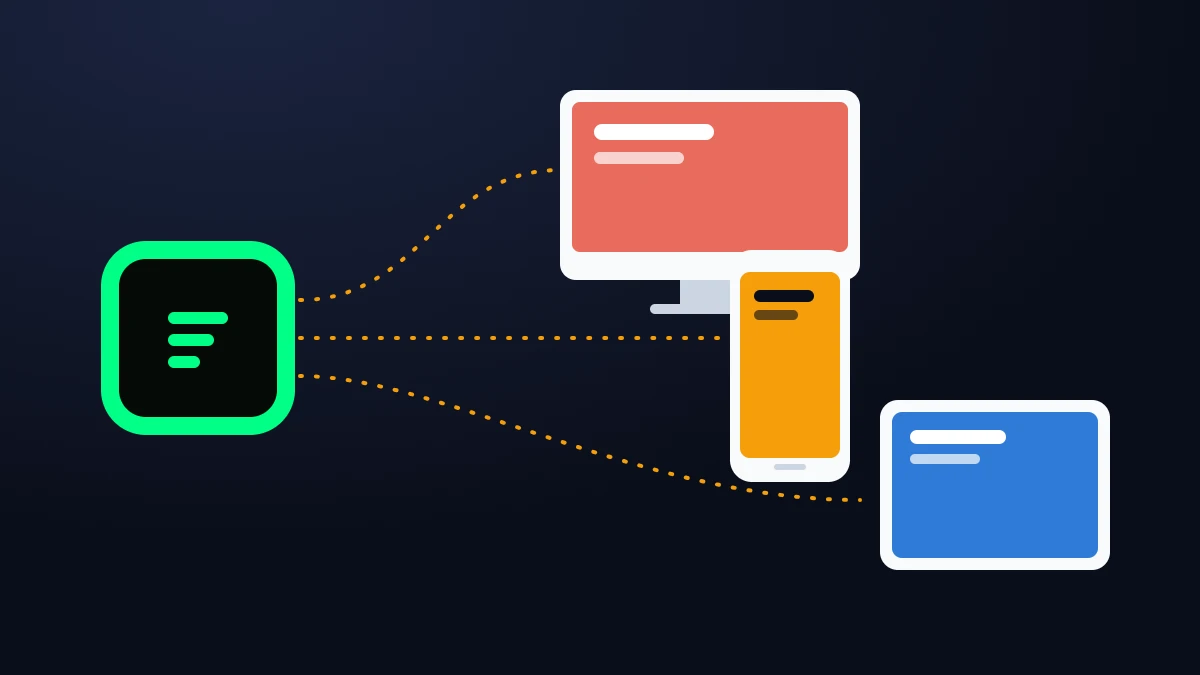
One codebase, every screen: how our apps reach web, iPhone and Android
How MashData Solutions builds apps that reach web, iPhone and Android from a single codebase, using Rails, Hotwire, Hotwire Native and browser...